
Misty meadow at sunrise with a line of spruce trees and an old wooden fence

Live Where Your Health Can Breathe

Country homes, eco-minded neighborhoods and open land, seen through the lens of everyday wellbeing. Choose a place that gives you clean air, quiet mornings and room to grow.

Learn More

A Home Shaped by Nature

The ideas that guide every article on this site, distilled into four simple measures of a healthier place to live.

  • 4seasons we plan around, from spring planting to winter rest
  • 6core topics: homes, land, gardens, water, community, wellbeing
  • 10acres, the small homestead size we love to explore
  • 1guiding idea: where you live is a health decision

Latest from the Field

Can Walking After Meals Help Maintain Healthy Blood Sugar?

The short answer is yes—and the effect is more immediate than most people realize. Walking soon after a meal reduces post‑meal blood sugar spikes, and research consistently shows the benefit is strongest when you start moving within those first minutes after you put down your fork. For me, this simple habit is a perfect illustration […]
Read more: Can Walking After Meals Help Maintain Healthy Blood Sugar?

Two Ways to Live Closer to the Land

A Farmhouse Among the Trees

A home tucked into a stand of conifers offers more than a pretty view. Trees soften the wind, shade the walls in summer and filter the air you breathe every day. Before you fall for a floor plan, walk the land at different hours, notice where the morning light lands and listen to how quiet the evenings really are.

We look at orientation, drainage, distance to essentials and the health of the surrounding woodland, so the place you choose supports you for decades, not just for a weekend.

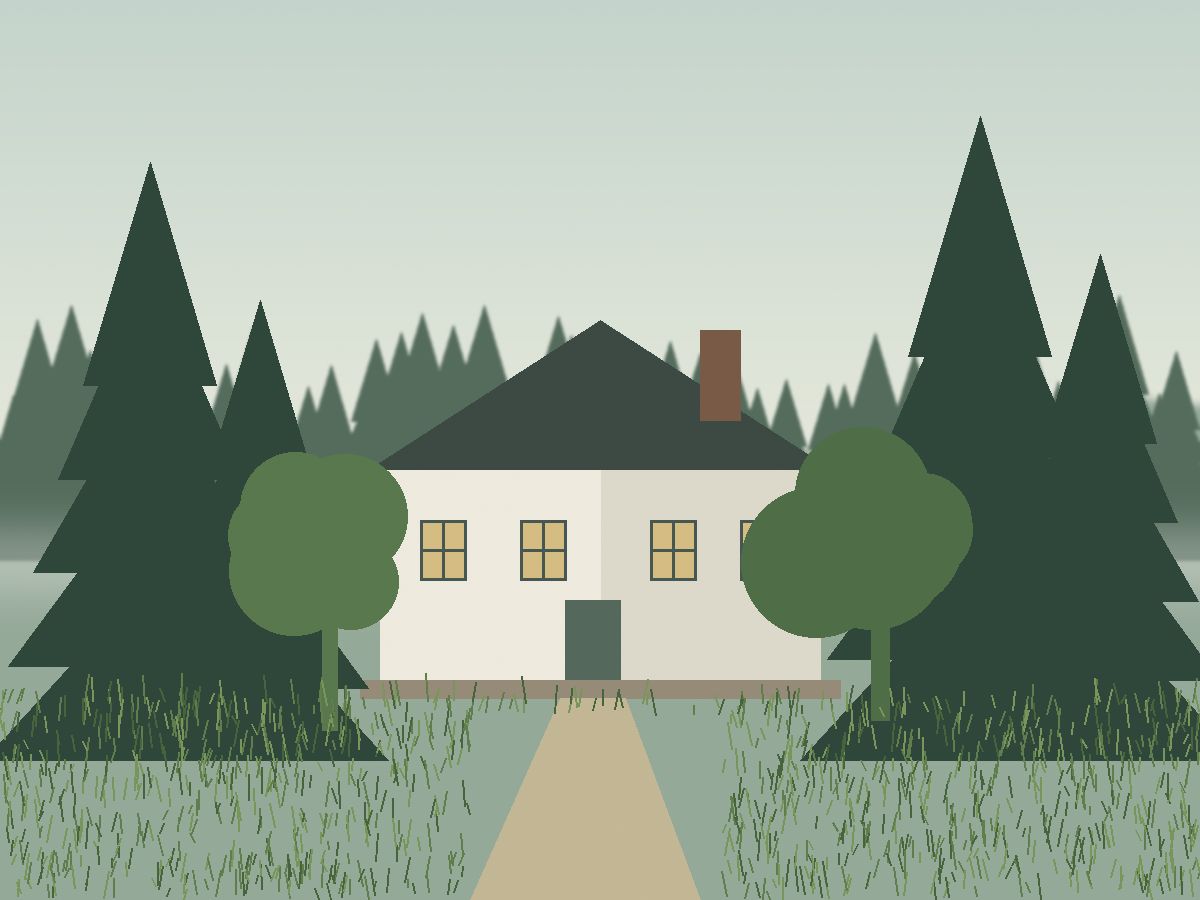
White farmhouse with a gabled roof surrounded by tall spruce trees
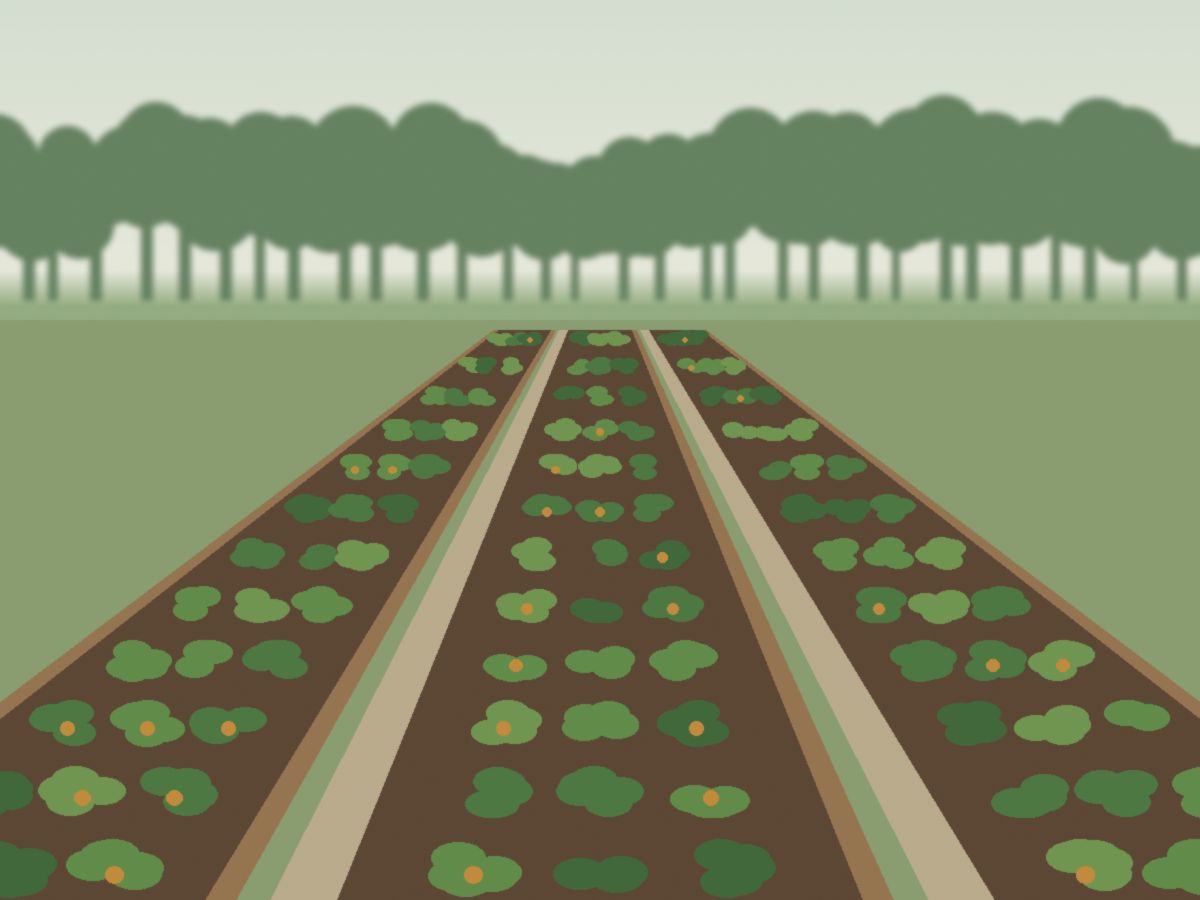
Raised vegetable beds with leafy greens and gravel paths leading toward a tree line

A Garden That Feeds Body and Mind

Even a modest kitchen garden changes the rhythm of a household. It invites you outside every morning, puts fresh food on the table and gives children a living classroom right beyond the back door.

Our guides cover soil, sun exposure, water access and the community gardens that make nature-first neighborhoods feel like home, whether you have ten acres or a shared plot down the lane.

Questions We Hear Often

How do I know if a rural area is right for my health?

Start with the basics you will feel every day: air quality, water source, noise, access to medical care and how far you would travel for groceries. Spend a few nights in the area in different seasons before committing, and pay attention to how you sleep and how you feel on your morning walks.

What makes a neighborhood truly eco-friendly?

Look beyond the marketing. Genuine eco-friendly communities protect green space, design for walking and cycling, manage stormwater naturally and encourage shared resources such as gardens, orchards and trails. Ask how decisions are made and how the land will be cared for over time.

Should I buy land first or look for an existing country home?

Both paths can lead to a healthy home. Buying land gives you freedom to design for light, airflow and natural materials, but requires patience and careful checks on access, utilities and soil. An existing home lets you settle sooner and improve gradually. Think about your timeline, energy and how hands-on you want to be.